

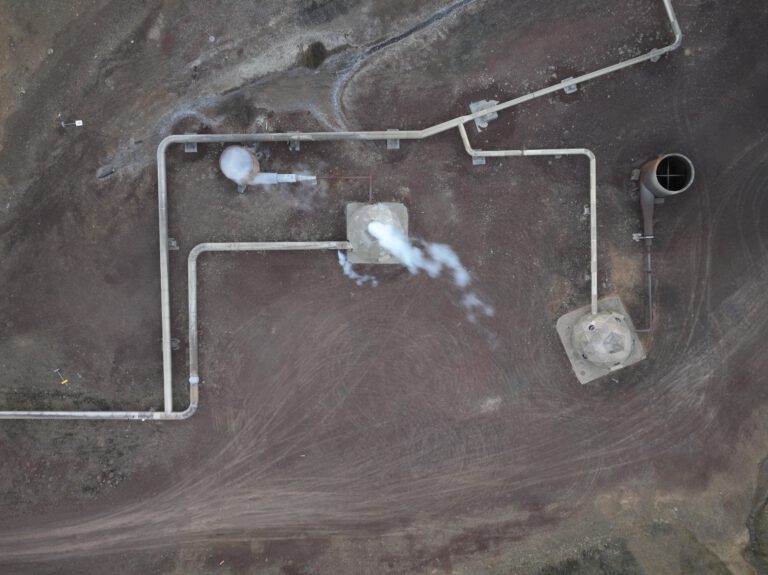
Geothermie – keine bergbauliche Genehmigungspflicht für oberflächennahe Geothermie
Geothermie – keine bergbauliche Genehmigungspflicht für oberflächennahe Geothermie Bürokratieentlastungsgesetz beseitigt Hemmschuh „Das große Potential der Geothermie für eine klimaneutrale Wärmeversorgungwurde in Deutschland bislang unzureichend

Local Content-Requirements – Risiken und Chancen
Local Content-Requirements – Risiken und Chancen 1. Hintergrund Local Content Requirements (LCR) sind Anforderungen an Inhalt und Art der Leistungserbringung von ausländischen Unternehmen in bestimmten

Vortragsveranstaltung: Rechtliche Fragestellungen bei Local Content
Der Verband Deutscher Maschinen- und Anlagenbau e.V. hat die COMINDIS Partner Dr. Eric Decker und Dr. Ingo Kühl zu einem Vortrag im Rahmen des Erfahrungsaustauschs

A COMINDIS Feature: Top 10 Project risks in Plant Engineering and Infrastructure Projects Top 7: Contractual Ambiguities
A COMINDIS Feature: Top 10 Project risks in Plant Engineering and Infrastructure Projects – Top 7: Contractual Ambiguities[1] Top 1 Unclear scope of works. Top

Prohibition to import iron and steel products processed in a third country using Russian iron and steel inputs
Prohibition to import iron and steel products processed in a third country using Russian iron and steel inputs Evidence of the country of origin of

BGH klärt nationalen Rechtsschutz gegen ICSID-Schiedsverfahren zwischen EU-Investoren und Staaten
BGH klärt nationalen Rechtsschutz gegen ICSID-Schiedsverfahren zwischen EU-Investoren und Staaten Wenn zwei sich streiten, entscheidet der Dritte? So geschehen, als der BGH kürzlich über
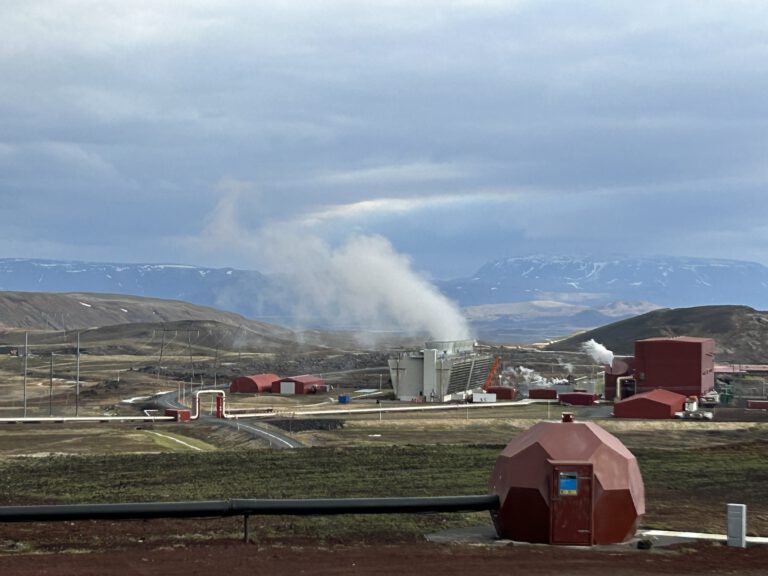
Geothermie – großes Potential für klimaneutrale Strom- und Wärmeversorgung
Geothermie – großes Potential für klimaneutrale Strom- und Wärmeversorgung Herausforderungen und regulatorische Hemmnisse „Das große Potential der Geothermie für eine klimaneutrale Wärmeversorgungwurde in Deutschland bislang

Modernisierung des deutschen Schiedsverfahrensrechts
Modernisierung des deutschen Schiedsverfahrensrechts – Das Eckpunktepapier des BMJ und die Reaktionen aus der Praxis Das Bundesministerium der Justiz (BMJ) stellte am 18.04.2023 in einem